 1300 650 890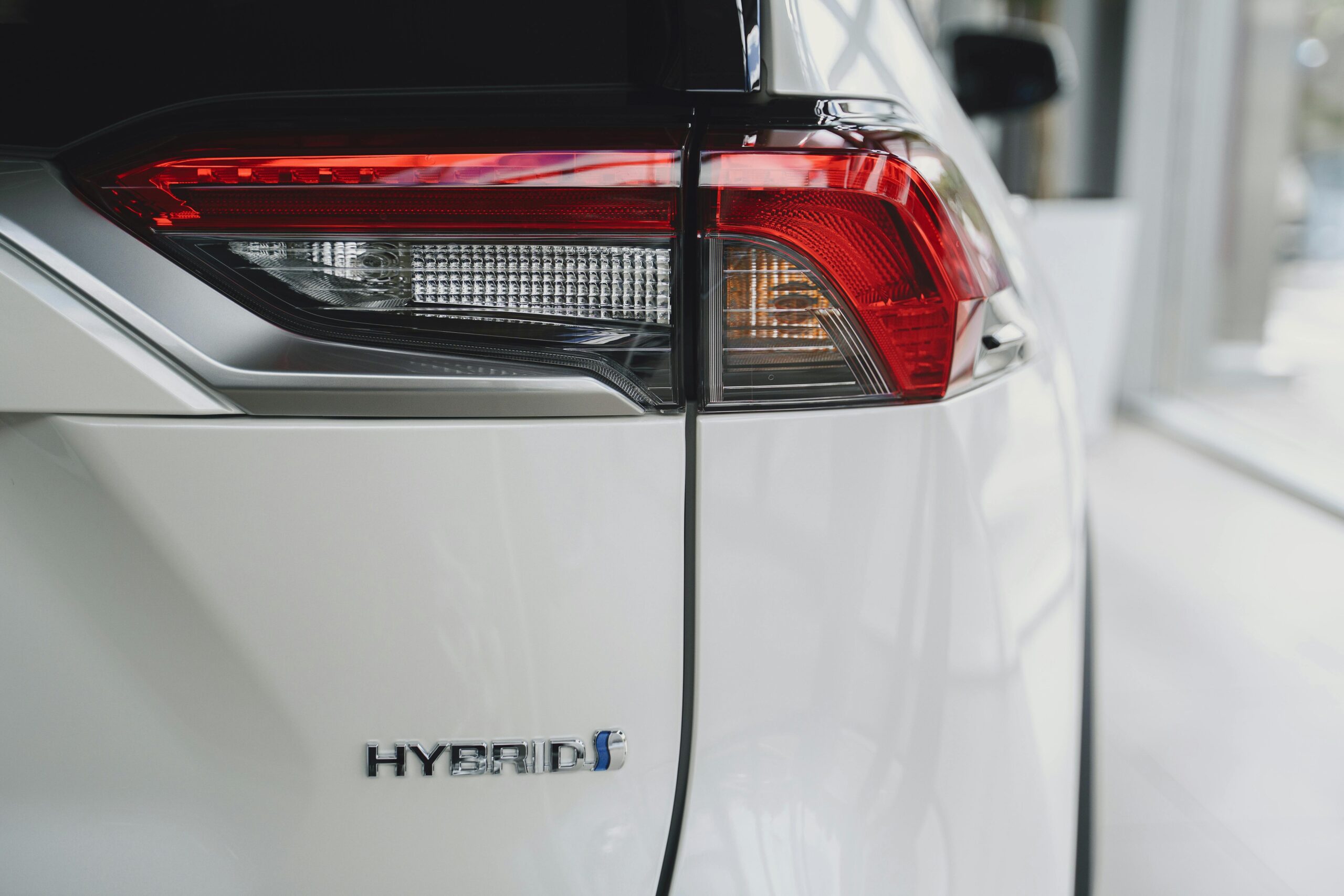
Should I Buy a Used Electric Vehicle?
With electric vehicles now accounting for 12.1% of new car sales, the growing EV market is driving increased demand among second-hand buyers. As supply expands, buyers can now explore a wider range of used electric vehicles across various price points, performance criteria and model types from SUV’s to electric hybrids.
By choosing a second-hand electric vehicle, buyers can avoid long delivery times and premium pricing, while still benefiting from lower running costs, cleaner transport, and the convenience of charging at home.
For Australians, purchasing a used EV is one of the most accessible ways to transition to more sustainable transport. However, there are several important factors to consider when buying a second hand EV.
If you’re unsure what to look for, don’t worry – we’ve put together a practical used EV buying guide to help you confidently inspect and test drive your next electric hybrid car.
Check the Battery
Why Should I Check the Electric Vehicle Battery?
Battery condition is the most important factor when purchasing a used EV, particularly for fully battery-electric vehicles (BEVs) that rely entirely on stored energy. While electric drivetrains are mechanically simple and motors are generally highly reliable, battery performance naturally degrades over time and replacement costs can be significant.
Battery size also plays a key role in determining driving range, so buyers should ensure the vehicle aligns with their lifestyle and travel needs. Those planning frequent long-distance trips may benefit from a model with a longer range and faster charging capabilities.
What is Battery Degradation?
Battery degradation refers to the gradual decline in a battery’s ability to store energy and deliver power over time. On average, EV batteries lose around 2.3% of their capacity per year before this rate begins to stabilise. However, degradation in modern EVs has generally proven to be lower than initially expected, with performance varying across manufacturers and models.
When inspecting a used EV car, researching the battery’s remaining capacity is a key first step in assessing overall battery health. This is commonly referred to as “state of health” (SoH), which measures the battery’s remaining capacity relative to its original condition. SoH is a critical factor in determining both performance and resale value.
How Do I Check Battery Health?
Battery capacity is measured in kilowatt-hours (kWh) and directly influences driving range, with higher capacities generally allowing for longer distances between charges. Some models display battery health on the dashboard, but diagnostic tools such as an OBD2 scanner can provide more detailed insights and a clearer picture of overall battery condition.
If these tools aren’t available, charging the vehicle to full and comparing the displayed range with the manufacturer’s estimated range can offer a useful indication of battery performance.
Where possible, request documentation showing the battery’s state of health (SoH) and review how the vehicle has been charged over time. Charging history plays a significant role in determining both lifespan and current performance.
Frequent use of rapid DC charging and repeated deep discharges (from full to empty) can accelerate battery wear. Ideally, the battery should have been maintained with consistent, moderate charging habits.
Electric Vehicle Batteries & Warranty Status
Most electric vehicles come with two separate warranties when purchased new: one covering the vehicle itself, and another for the high-voltage battery and drive unit. These warranties are often transferable between owners, so it’s important to confirm whether coverage is still active when buying a used EV.
Warranty terms can vary by brand and model, so buyers should check specific details such as battery coverage periods and kilometre limits. Purchasing a used EV that remains under warranty can help reduce risk and provide added peace of mind.
Inspect the Electric Vehicle Battery Cooling System
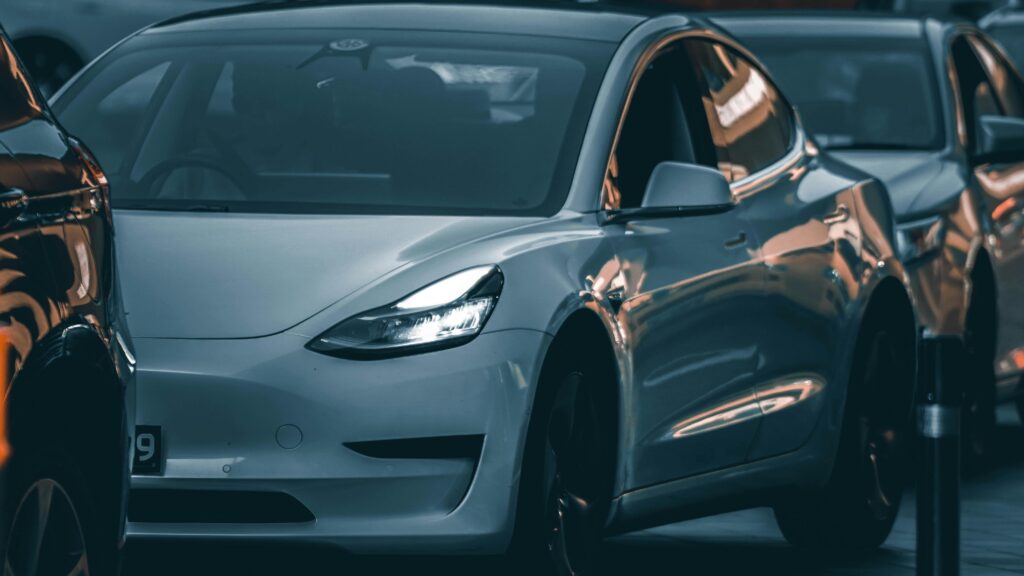
The cooling system of any modern EV is an essential component of your EV inspection routine. It plays a key role in maintaining battery performance, influencing driving range, charging speed, and long-term battery lifespan.
The battery cooling system for an electric vehicle operates under its battery thermal management system (BTMS), which regulates temperature to prevent battery cells from overheating. This is a key cause of degradation and reduced performance.
There are three main types of EV battery cooling systems:
Air Cooling
Cooling fans circulate cabin or external air across the battery pack and through internal channels to manage heat.
Indirect Liquid Cooling
A water-glycol coolant flows through tubes connected to battery modules or the base of the pack, providing more efficient temperature control.
Advanced Hybrid Systems
These combine liquid cooling with phase-change materials and dielectric fluids, allowing for more direct and effective heat absorption at the cell level.
When buying a used EV, battery condition is heavily influenced by both usage history and the effectiveness of its cooling system. Here’s what to look for:
- Check Battery Pre-Conditioning Features
Vehicles that can pre-heat or pre-cool the battery before fast charging typically have more advanced thermal management, helping maintain performance and extend battery life.
- Evaluate Real-World Charging Performance
Don’t rely solely on peak charging speeds. Focus on the charging curve – how long the vehicle can sustain high charging power. Vehicles with robust battery cooling systems allow for faster charging over longer periods without overheating.
- Consider Liquid Cooling
Battery-electric vehicles in Australia vary in cooling systems. EV’s with liquid-cooled battery systems tend to perform more efficiently and experience less thermal stress – particularly if you frequently use fast chargers or drive long distances.
Check the Electric Vehicle Charging & Port
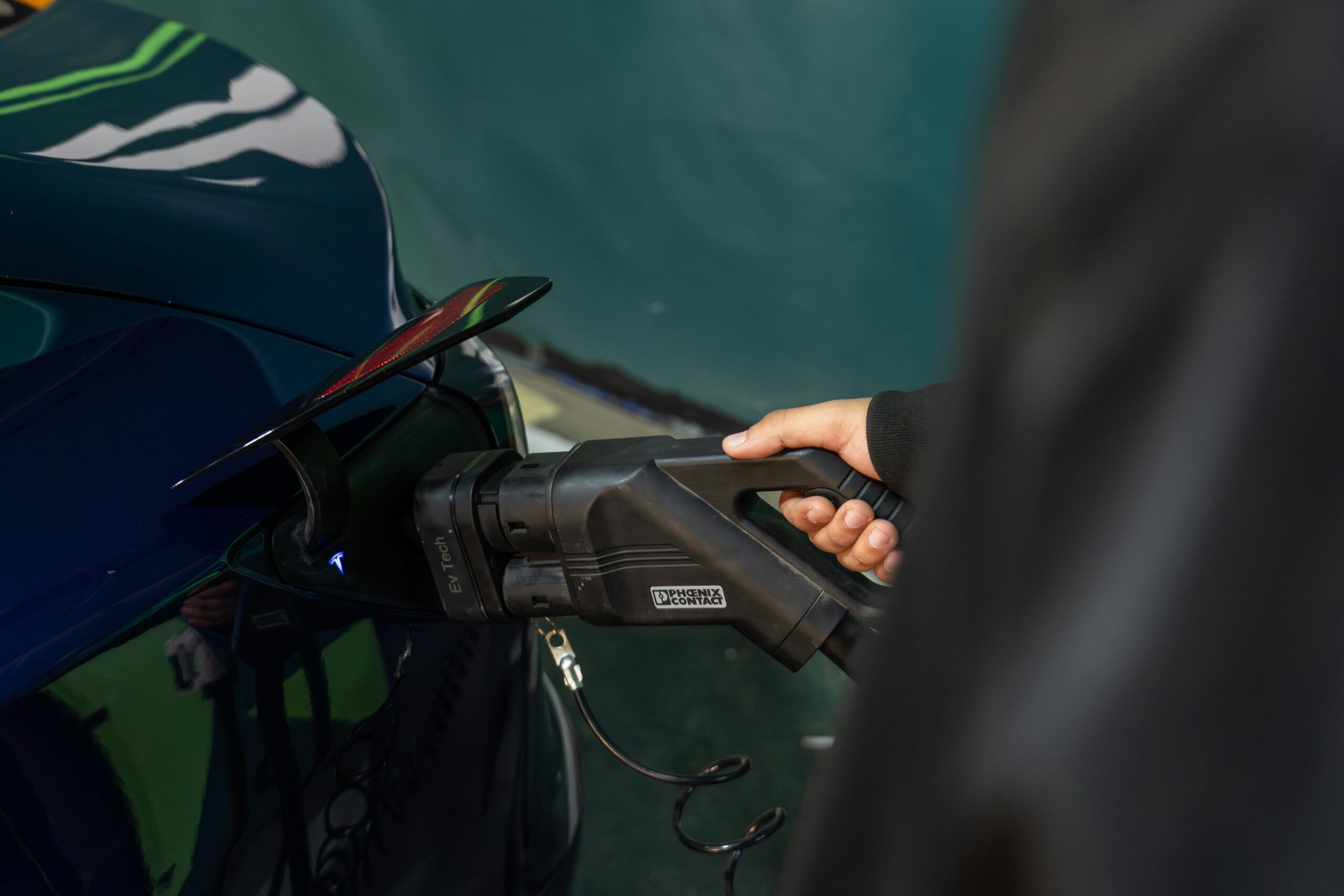
When buying second hand electric vehicles, it’s important to closely examine the charging equipment. Check the charging cables and plugs for any visible damage, and inspect the electric vehicle charge port (typically located behind a small flap) for signs of wear.
Frequent or careless use – particularly at public charging stations with heavier connectors can place added strain on these components over time. This may lead to issues with charging performance and, in some cases, impact overall battery health.
More: Tips for Buying Used Electric Vehicles
Looking to Buy a Second Hand EV Car?
Navigating the market for used electric vehicles doesn’t have to be overwhelming. With the right guidance, you can confidently compare models, understand battery health, and choose charging options that suit your lifestyle.
If you’re looking to explore second hand electric vehicles, Car Search Brokers can take the guess work out of buying second hand EV cars by researching the best options and deals across our trusted dealer network. For a smarter, stress-free way to secure quality used electric vehicles, call 1300 650 890 or get in touch today.