 1300 650 890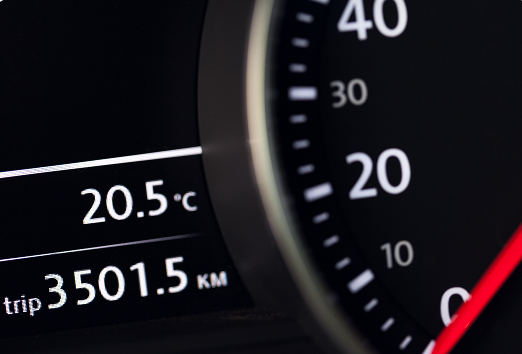
Odometer fraud is one of the most common problems in used cars, and it remains a widespread issue across Australia’s second-hand vehicle market. Industry bodies and regulators continue to warn buyers after recent cases revealed sellers manipulating vehicle kilometres to inflate resale values. With used cars now more widely available, buyers have greater choice – but also greater responsibility to ensure a vehicle’s history matches its condition.
How to Inspect a Used Car for Odometer Issues
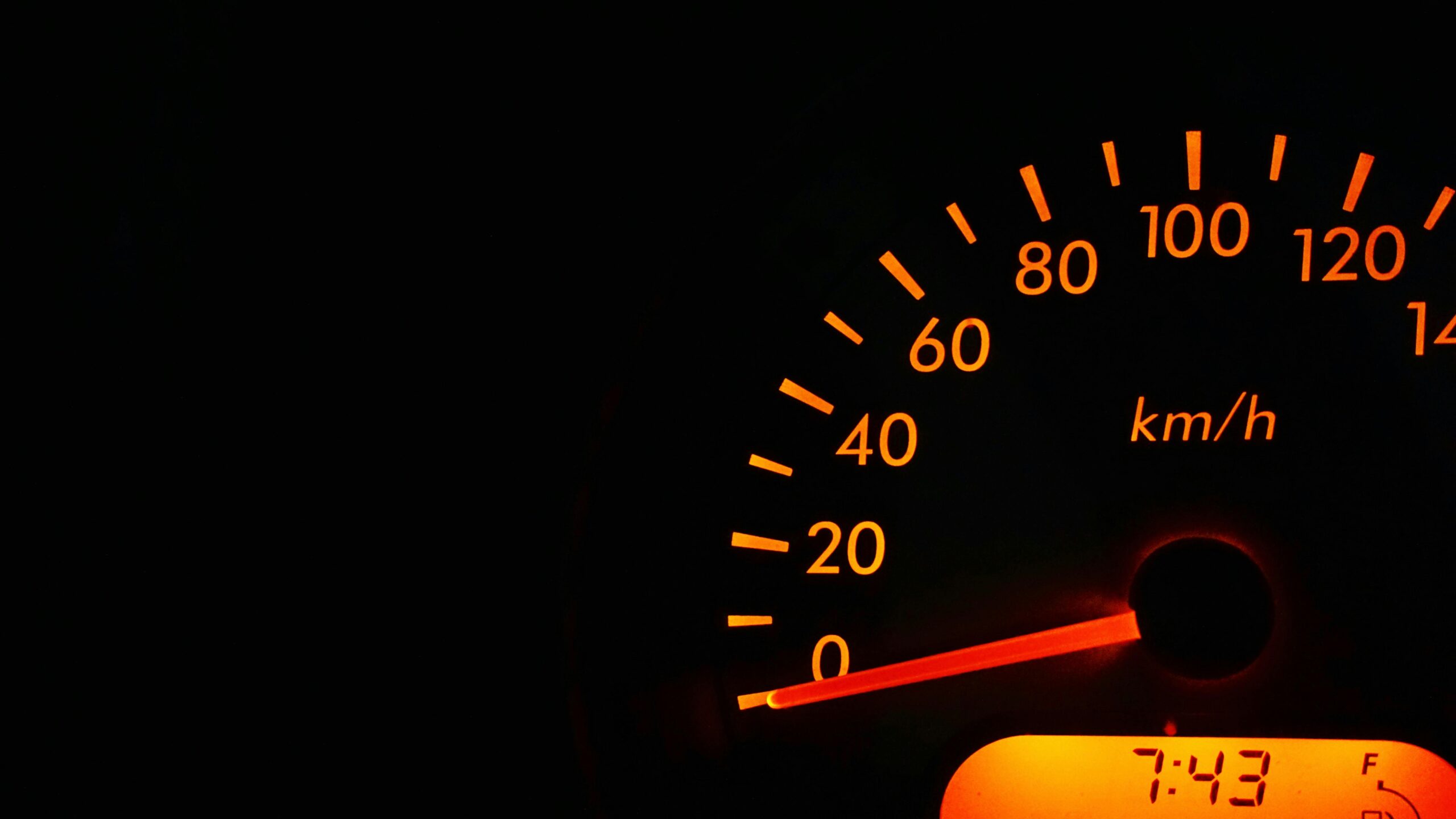
Knowing how to inspect a used car properly can significantly reduce the risk of buying a vehicle with tampered kilometres. While modern digital odometers are harder to assess at a glance, inconsistencies often appear elsewhere.
Buyers should look closely for signs of wear that don’t align with the stated mileage, including:
- Excessive wear on the steering wheel, seats or seat belts
- Heavy wear on pedals, gear selectors or interior buttons
- A vehicle condition that doesn’t “add up” for the kilometres shown
If something feels off, it’s worth digging deeper before proceeding.
Tips for Buying a Used Car Safely
One of the most important tips for buying a used car is to never rely solely on the odometer reading. Documentation and independent checks play a critical role in verifying a vehicle’s true history.
Before committing to any used car, buyers should:
- Review logbooks and service history for consistent kilometre records
- Question missing or incomplete documentation
- Request a pre-purchase inspection from an independent mechanic
- Check available roadworthy or inspection reports where applicable
These steps create a clearer picture of how the car has been used and maintained over time.
Used Car Test Drive Checklist: What to Look For
A test drive isn’t just about comfort, it’s an essential part of a used car test drive checklist. During the drive, buyers should pay attention to how the vehicle feels and sounds, as mechanical issues can also indicate heavier use than advertised.
Key things to check include:
- Smooth gear changes and braking
- Unusual noises or vibrations
- Steering response and alignment
Pairing a thorough test drive with a mechanical inspection provides stronger protection against hidden issues.
When Buying Used Cars, Trust Your Instincts
Used cars can offer excellent value, but if warning signs appear and answers don’t add up, we suggest it’s better to walk away. Odometer tampering can lead to higher repair costs, reduced resale value and unexpected safety concerns.
By understanding common problems in used cars and following a structured inspection process, buyers can approach the market with confidence and make smarter, safer purchasing decisions.
Car Search Brokers Can Help
Worried about odometer tampering or hidden issues? Car Search Brokers will perform all of these checks for you and manage the entire used-car buying process. From sourcing and verification to professional mechanical inspections, our highly experienced team can help you buy with confidence, knowing the details have been properly checked.
Get in touch with our friendly team today and let us help you find the right used car, simply and stress-free. For expert advice and a hassle-free process, call 1300 650 890 or reach out today and Car Search Brokers will find the best second-hand car for you.
Read more about Odometer Tampering for Used Car Buyers.