 1300 650 890
When comparing electric vs petrol cars, most Australians focus on the upfront price. But the true financial impact lies in the long-term ownership when considering the fuel, electricity, insurance, servicing and depreciation in value.
With rising inflationary pressures, an influx of newer, more affordable electric vehicle models and a growing second-hand market, long-term affordability has never been more important. The current market conditions are creating a timely opportunity for potential car buyers to consider the operating costs between electric and petrol cars.
So are electric vehicles (EVs) cheaper to maintain than petrol cars? In this guide we’ll break down the electric vehicle cost comparison and help you take the worry out of buying your next car.
Upfront Costs vs Long-Term Value
While costs of a brand new electric vehicle is generally more expensive compared to petrol and diesel alternatives, buyers may save on some maintenance costs. Over time, savings on fuel and servicing costs can offset the upfront initial investment cost of an electric car. This is beneficial for buyers concerned about rising living costs and long-term running expenses. The cost of charging an electric vehicle costs a lot less than refuelling an internal combustion engine, making EV’s an increasingly cost-effective option for everyday driving.
Beyond energy savings, long-term car maintenance costs is another key factor when comparing electric and petrol cars. Sustaining ongoing maintenance and servicing costs adds to the overall cost of ownership.
Cost of Running an Electric Car vs Petrol
One of the biggest advantages in the electric vehicle cost comparison is how much more simpler EVs are under the hood. Compared to petrol cars, EVs have far fewer mechanical components – no engine, belts, or complex exhaust systems that rely on regular oil changes. The streamlined design reduces the need for common consumables, helping lower overall electric car servicing costs and ongoing electric vehicle maintenance.
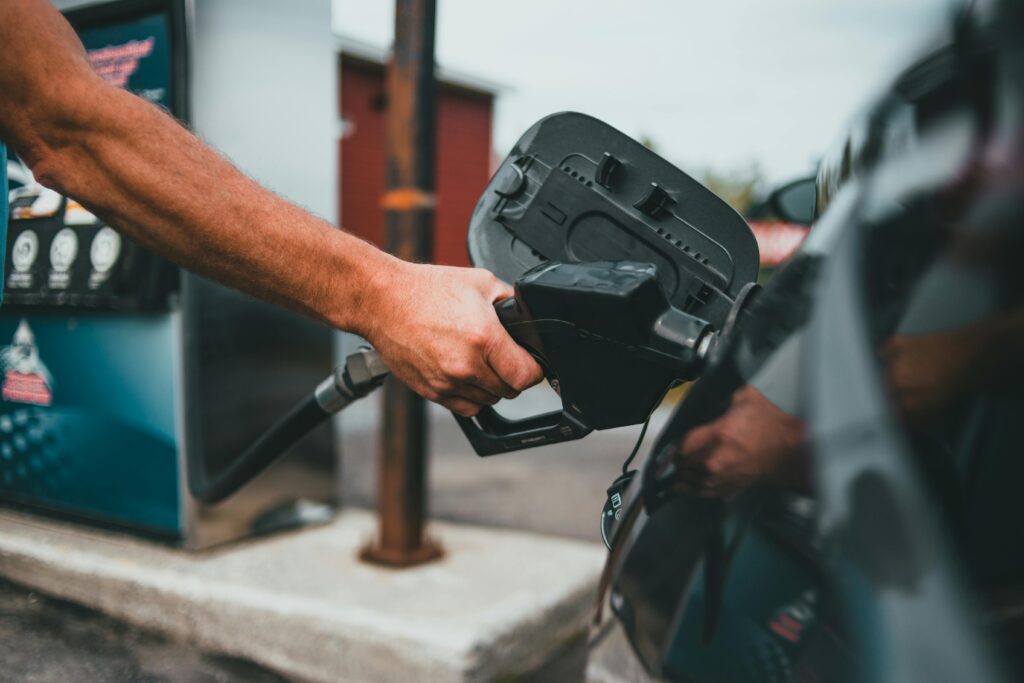
In contrast, petrol vehicles require multiple fluids and filters to operate efficiently, which adds to the long-term servicing cost. Internal combustion engines depend on items like engine oil, oil filters, fuel filters, and air filters – all of which need regular replacement. Over time, these components – combined with the rising price of high-quality synthetic oils, can significantly increase servicing expenses, making the difference between electric and petrol cars cost more noticeable as the vehicle ages.
In addition to replacing vehicle parts, servicing a petrol vehicle is more time and labour intensive. To ensure petrol vehicles abide by road safety standards, the regular replacement of vehicle parts requires specialist knowledge which can drive up overall car maintenance cost. In contrast, electric vehicle servicing is typically faster and more efficient, helping reduce both labour time and total EV servicing cost.
This is a key reason why electric car servicing costs are often lower over time. With fewer parts to inspect and replace, EVs require less hands-on servicing from technicians, making them a more cost-effective option in the long-term. Some manufacturers offer capped-price or complimentary service plans, further lowering the cost of running an electric car.
How Much Does it Cost to Charge an Electric Vehicle?
In Australia, the cost to charge an electric vehicle at home starts with installing a charger, and prices can vary depending on the setup. Typically, a basic installation ranges from $1,000 to $1,500. However, a complete setup including the charger and professional installation can total between $1,200 and $3,300 or more, depending on the property and electrical requirements.
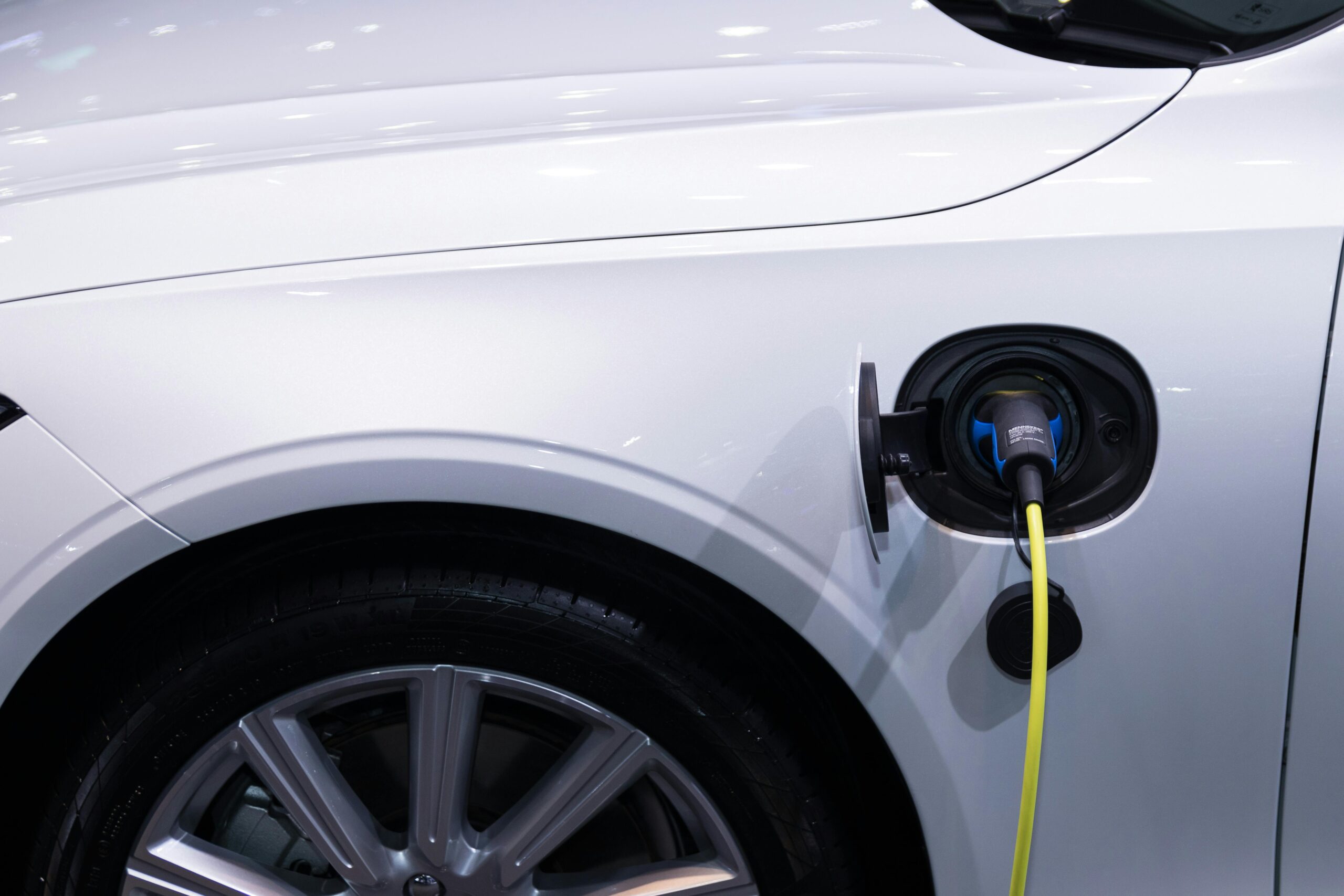
The cost to charge an electric car is also strongly related to how and when you choose to charge it. Most EV owners opt to charge at home and at workplaces where they can take advantage of renewable energy from solar power or EV electricity plans that allows them to charge their vehicles at significantly discounted rates.
Installing a home EV charging system reduces electric vehicle charging costs by using off-peak charging when electricity demand and prices are lowest, typically overnight. On average this can reduce the cost of running an electric vehicle car by up to 90% compared to petrol, delivering substantial long-term savings.
On average, electricity sits around $0.28 per kWh, and with most EVs using roughly 18 kWh per 100km, the cost to charge an electric vehicle works out to about $5 per 100km. However, while the exact cost to charge an electric vehicle at home can vary depending on electricity rates, driving habits, vehicle efficiency and car model, there is a significant cost saving when filling up a petrol car and charging an electric car. This is particularly favourable for buyers conscious of fluctuating fuel prices.
Charging Convenience and Accessibility
While public fast chargers offer convenience, they come at a higher price point. The cost to charge an EV using fast charging is generally still cheaper than petrol by around 20%. Overall, whether charging at home or on the go, the cost of recharging an electric car remains one of the biggest financial advantages in the shift towards EV ownership.
Making the Switch? We Can Help
Whether you’re weighing up the servicing savings of an electric or petrol vehicle, finding the right car for your lifestyle is what matters most. At Car Search Brokers, we take the guesswork out of the process. With over 40 years of experience buying and selling new and used cars across Australia, our team sources quality electric and petrol vehicles from a trusted dealer network – so you can make a confident, informed decision without the hassle. Ready to make the switch or find your next reliable petrol car? Call 1300 650 890 or get in touch today and let Car Search Brokers find the right vehicle for you.