 1300 650 890
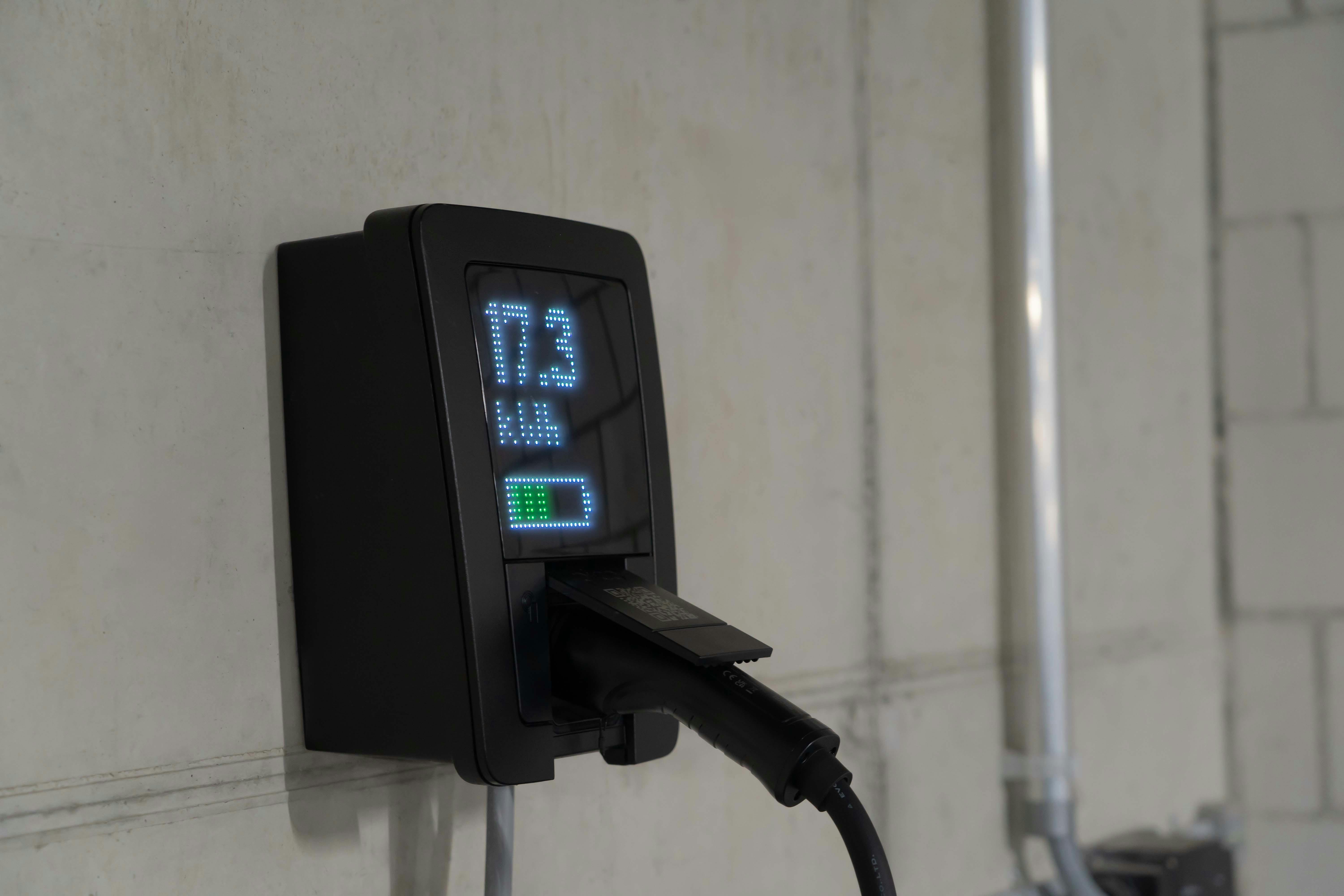 As more Australian drivers look to cut running costs and reduce their carbon footprint, the shift toward electric vehicles is underway. But despite the growing buzz around EVs, many buyers are still unsure about chargers for EVs and the costs of installing electric car charging points. From choosing the right charger for your EV to understanding the difference between home and public charging stations, the learning and setup can be overwhelming.
Whether you’re weighing up the cost of a home EV charger, or simply trying to understand what’s involved in installation, this guide breaks it all down in plain language.
How Does Charging an Electric Car Work?
For anyone new to EVs, the idea of charging a car can feel unfamiliar. However, the process is quite simple and requires you to plug your EV into a power source either at home or at a public charging station, and the battery charges over time.
Most electric vehicles come fitted with an onboard charger that converts AC (alternating current) electricity into DC (direct current) electricity power that EVs store and use in the battery.
Alternate Current (AC): is the standard type of electricity that comes out of your home power outlets and the grid.
Direct Current (AC): is the type of electricity power that EVs actually store and use in the battery.
The type of charger that you use for your EV makes a significant difference to how quickly the onboard charger automatically converts AC electricity from the grid into DC power for the battery. The charger will determine how quickly this conversion happens and therefore, how fast your car charges. How long it takes to charge depends on three main factors: the size of your EV’s battery, the type of charger you’re using, and your vehicle’s maximum charging rate.
Some chargers, known as DC fast chargers, bypass the onboard conversion process by delivering direct current straight to the battery. This dramatically reduces the charging time and is why you’ll typically find these types of charges at public electric vehicle stations. These chargers are designed for quick top-ups rather than overnight charging.
Types of EV Chargers Explained
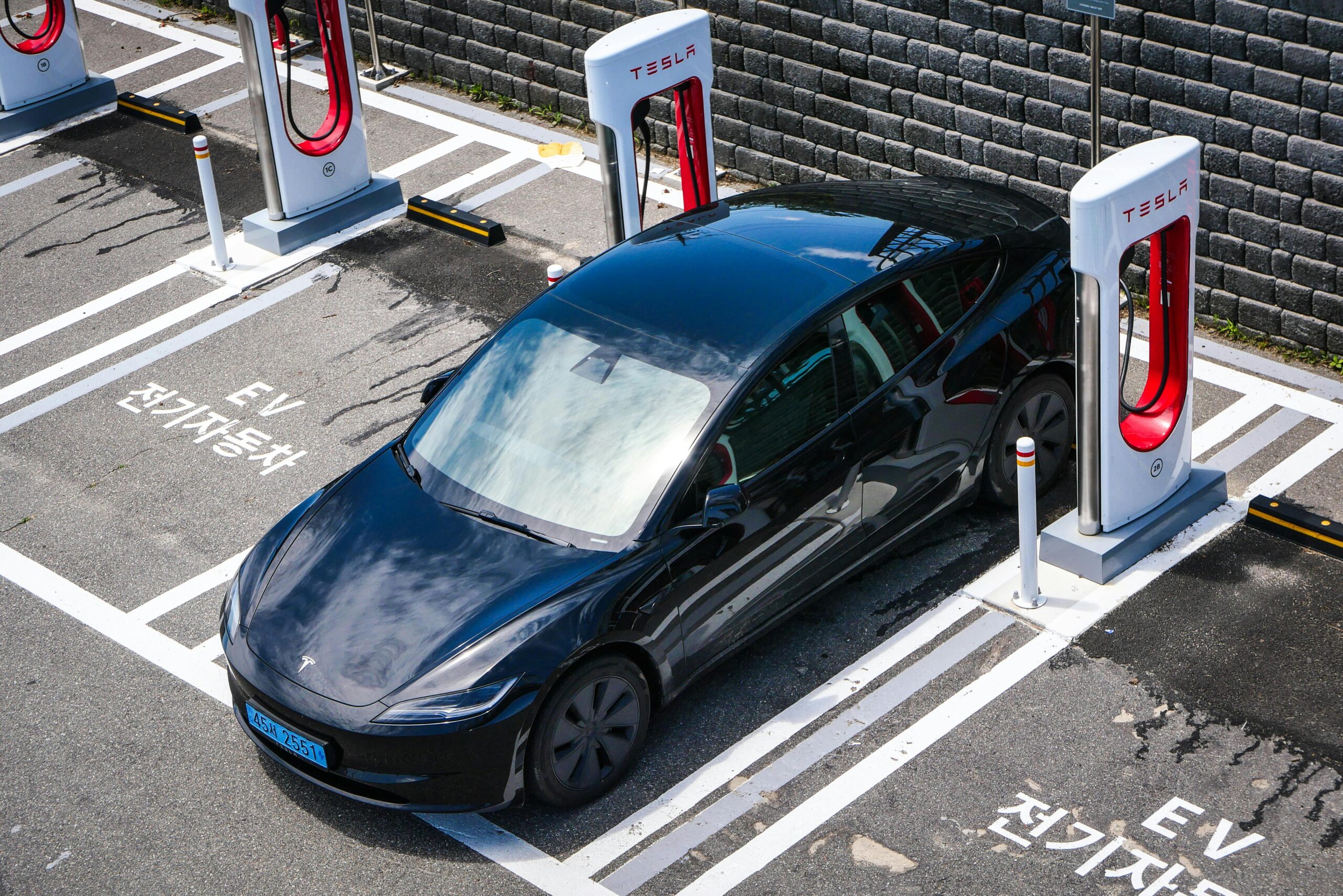
When it comes to choosing a charger for your EV, there are three main types: Level 1, Level 2, and as mentioned previously, DC fast chargers. Each suits a different situation.
Level 1 Charging (Slow Charging)
Most commonly referred to as slow charging, Level 1 charging uses a standard household power outlet (240V in Australia). It’s the slowest charging option and typically adds around 10-15km of range per hour of charging.
Best for: Drivers with low daily mileage or those who can leave their car plugged in overnight.
Pros: Minimal setup required, with the option to plug directly into a standard 10-amp household power outlet. However, charging times can vary between 10-20 hours for a full charge.
Level 2 Charging (Home & Destination Charging)
Level 2 chargers use a dedicated EV charging unit (also commonly referred to as EVSE) that plugs into a higher-powered circuit and can supply a higher amount of AC electricity. These typically operate between a 7kW-22kW supply and can add anywhere from 30 to 100km of range per hour.
Best for: Home charging setups and destination chargers at shopping centres, hotels and workplaces.
Pros: Much faster than Level 1, practical for overnight home charging.
Cons: Requires installation of a dedicated EV charging at home which can be an additional cost.
DC Fast Charging (Rapid Charging)
DC fast chargers are the most powerful and fastest charging option available. They deliver direct current straight to the battery and can charge most EVs to 80% in as little as 20–40 minutes, depending on the vehicle and charger capacity.
Best for: Long road trips and quick top-ups on the go.
Pros: Extremely fast charging speeds.
Cons: Not suitable for daily home use; frequent fast charging can affect long-term battery health. These are typically found at public electric vehicle charging stations.
Home vs Public EV Charging Stations
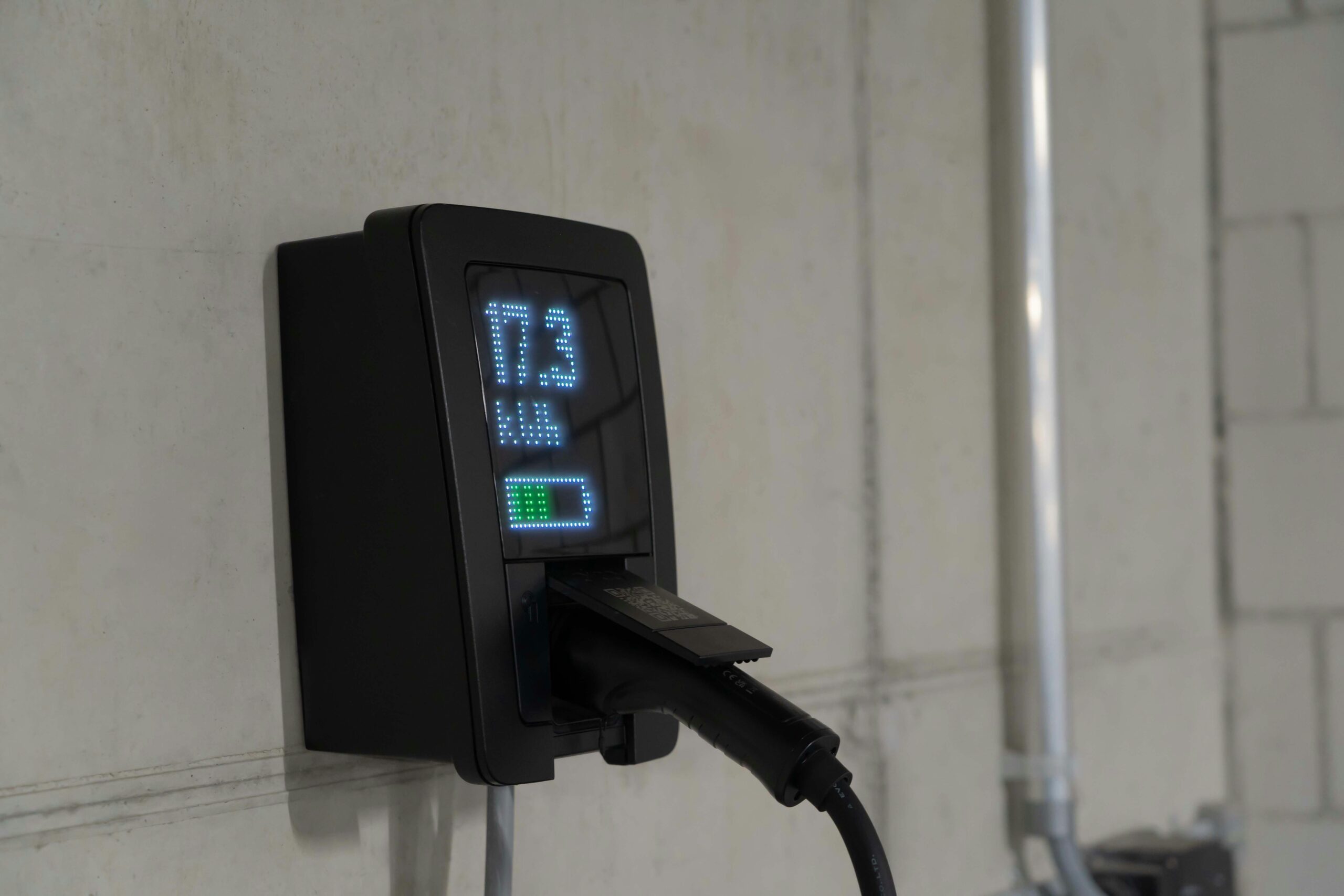
One of the biggest decisions EV owners face is where to charge. Here’s a breakdown of both options.
Charging at Home
For most Australians, home charging is the most convenient and cost-effective way to keep their EV topped up. You simply plug in overnight and wake up to a full battery, much like charging your phone.
To charge at home efficiently, most EV owners install a dedicated Level 2 home charging point rather than relying on a standard wall socket.
Public Electric Vehicle Charging Stations
Public EV charging networks are expanding rapidly across Australia, making it easier than ever to charge while you’re out and about.
Public charging is ideal for topping up during long trips or when you don’t have access to home charging. However, the EV charging cost at public stations is generally higher than what you’d pay at home.
What is the Cost of Installing an Electric Car Charging Point?
If you want to charge efficiently at home, installing a dedicated Level 2 home EV charger is strongly recommended. In Australia, the typical cost includes:
|
Component |
Estimated Cost |
| EV charger unit (hardware) | $500 – $1,500 |
| Electrical installation | $300 – $800 |
| Switchboard upgrades (if required) | $500 – $2,000+ |
| Total installed cost | $800 – $3,000+ |
Costs vary depending on your home’s existing electrical setup, the charger brand and model, and your location. It’s worth getting at least two or three quotes from licensed electricians who specialise in EV charging installations.
Thinking About Going Electric?
Making the switch to an electric vehicle can be tricky. That’s where Car Search Brokers can help. With over 40 years of experience buying and selling, we take the hard work out of the search. Our team takes the guesswork out of finding your next car and taps into a wide network of trusted dealers to source quality electric vehicles that match what you’re actually looking for. Call 1300 650 890 or reach out today and let Car Search Brokers do the searching for you.